
How to Diagnose a Faulty Car Radiator
A car radiator is an essential component of a vehicle's cooling system. It regulates the engine's temperature by dissipating heat and preventing the engine from overheating. Over time, radiators can become damaged or clogged, leading to a range of issues. How to diagnose a faulty car radiator and what signs to look out for? Let us see the following.
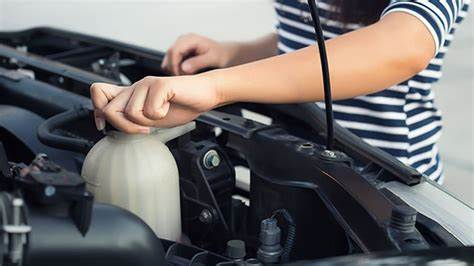
Check the Coolant Level
The first thing to check is the coolant level. Low coolant levels can cause a range of issues, including engine overheating. If the coolant level is low, it could be due to a leak or a faulty radiator cap. Be sure to inspect the radiator cap and hoses for any signs of damage or wear.
Check for Signs of Leaks
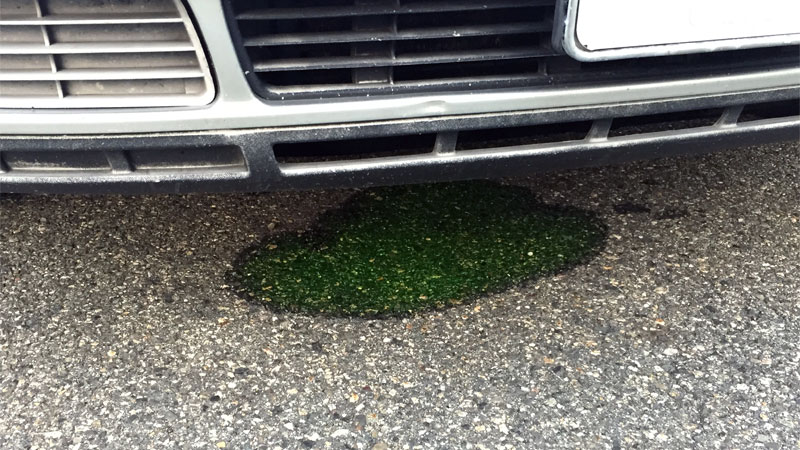
Leaks are a common issue with car radiators. A leak can occur due to damage or corrosion in the radiator or the surrounding hoses. The coolant could be leaking from the radiator or from one of the connecting hoses. You can identify leaks by looking for signs of coolant on the ground underneath the car, or by noticing a drop in the coolant level.
Inspect the Radiator Fins
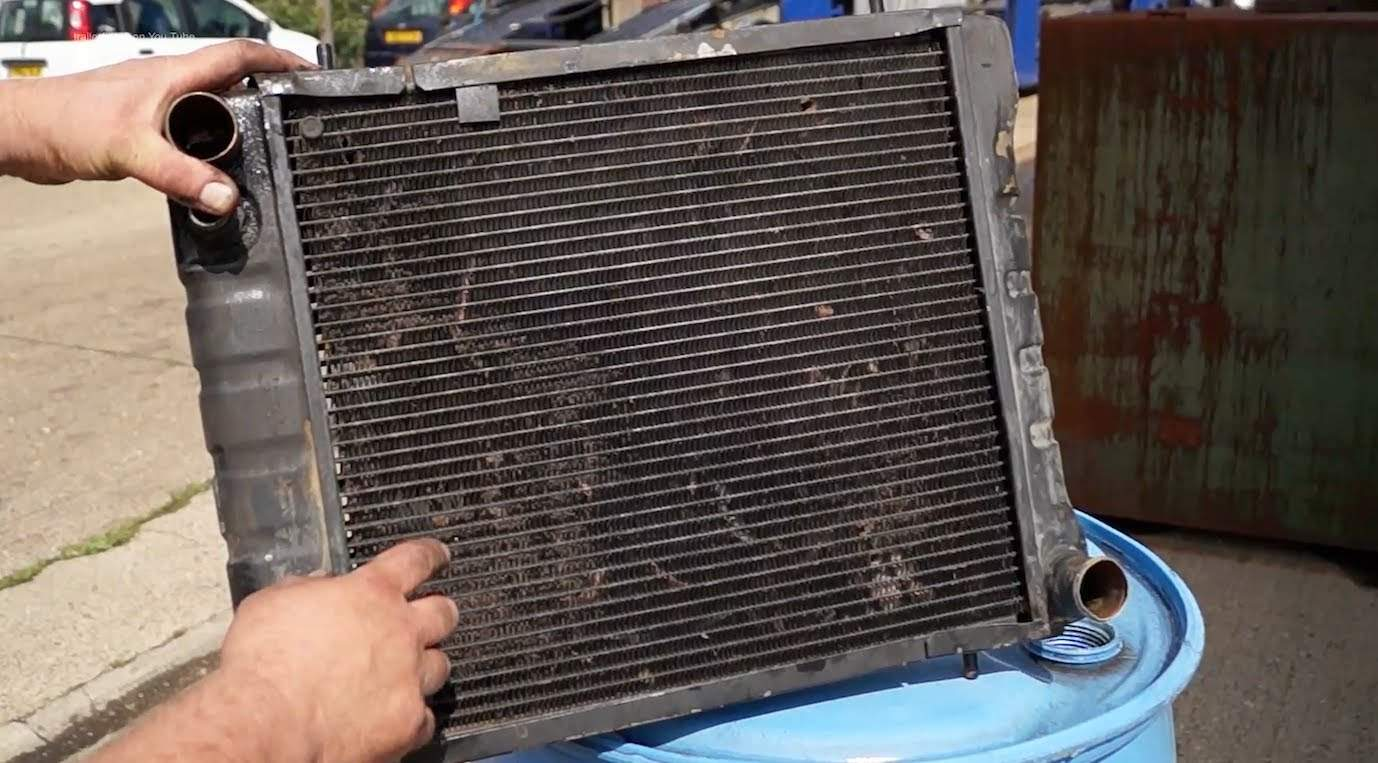
The radiator fins can become damaged or bent over time. This can restrict airflow through the radiator, leading to overheating. You can inspect the fins by looking through the front of the radiator. If you notice any damage, you may need to replace the radiator.
Check for Debris and Clogs
Debris and clogs can build up in the radiator over time, restricting the flow of coolant. This can cause the engine to overheat and lead to a range of issues. To check for debris and clogs, you can use a flashlight to inspect the radiator's interior. If you notice any debris or clogs, you can try flushing the radiator or taking it to a professional for a thorough cleaning.
Test the Radiator Fan
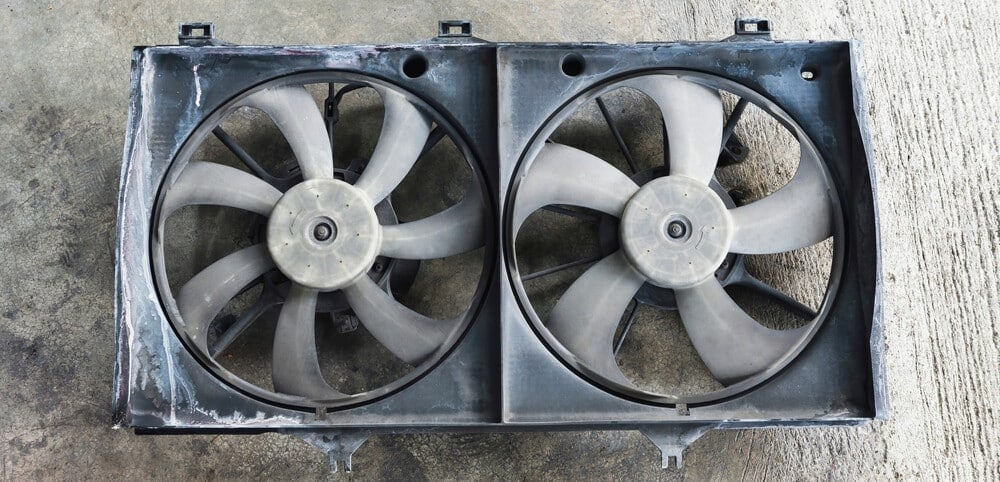
The radiator fan plays a crucial role in keeping the engine cool. If the fan is not functioning correctly, it can lead to engine overheating. To test the fan, you can turn on the engine and let it warm up. Once the engine reaches operating temperature, the fan should turn on automatically. If the fan does not turn on, there may be an issue with the fan motor or wiring.
Diagnosing a faulty car radiator is crucial to keeping your engine running smoothly. By checking the coolant level, inspecting for leaks, inspecting the radiator fins, checking for debris and clogs, and testing the radiator fan, you can identify and fix any issues with your radiator. Regular maintenance and inspection can help prevent radiator problems and keep your vehicle running smoothly. If you are unsure about any of the above steps, it is recommended to take your car to a professional mechanic for a thorough inspection.
HD-Contact
Name*
Country*
Email*
Tel/ Whatsapp*
For Retail/ Business (Click to Choose)
- Retail
- Business
Message*
Verification code


