
How does a car radiator improve driving performance and reliability?
I. Introduction
The radiator plays a vital role in the running of a car's engine. They not only effectively reduce engine temperature and improve drivability, but also protect the engine from the risk of overheating damage. This article will discuss how car radiators can improve driving performance and reliability, and share some real cases and testimonials to help you understand the importance of car radiators.
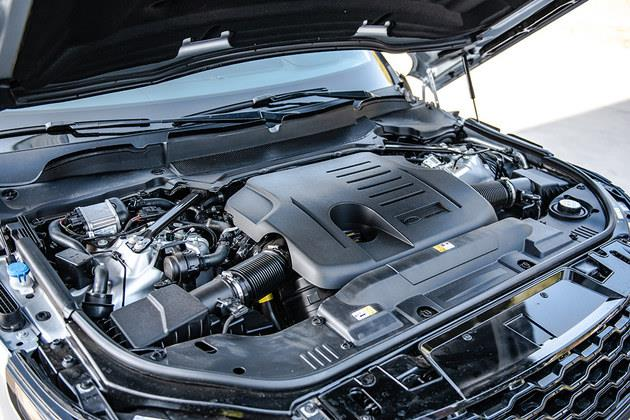
II. Improvement of Driving Efficiency
A. Engine temperature control
Imagine driving down the highway and your car's engine temperature starts to heat up. This is where efficient radiators come in handy. The radiator cools down the superheated coolant and circulates it back to the engine by effectively dissipating heat to ensure that the engine remains within a suitable operating temperature range. This maximizes engine performance and significantly enhances your driving experience.
B. Stability of cooling system
During driving, a stable cooling system is essential for the normal operation of the engine. The radiator maintains the stability of the cooling system and ensures that the coolant circulates within the specified temperature range. In this way, the engine will not be abnormal due to overheating or overcooling, ensuring driving safety and reliability.
C. Failure Prevention and Reliability
The role of the radiator is not only to improve driving efficiency, but also to prevent failure and improve the reliability of the engine. Overheating is one of the leading causes of engine failure. The car radiator can effectively reduce the engine temperature, reduce the risk of wear and damage, thereby prolonging the life of the engine and reducing the failure rate. This means you can drive your car with more confidence and fewer breakdowns and repair issues caused by engine overheating.
III. Customer case sharing
Let us share some real stories and testimonials from our customers to show how a car radiator can provide them with a great driving experience.
1.Customer testimonial: Mr. Zhang's long-distance travel
Mr. Zhang is a car owner who often travels long distances. Once, he drove his car to a distant destination. He was concerned when car engines started to heat up in hot summer weather. Fortunately, his car was equipped with an efficient radiator. The radiator effectively lowered the engine temperature, making his long trips reassuring and smooth. He didn't experience any engine overheating issues, and the reliability and driving experience of the whole journey was greatly improved.

2.Customer testimonial: Ms. Wang's city driving
Ms. Wang commutes to work in the city every day. Heavy traffic and long hours of driving can heat up your engine. Fortunately, her car has an efficient radiator. The stability and cooling capacity of the radiator means she doesn't have to worry about the engine overheating. She is able to maintain calm and peace of mind in city driving, and her driving efficiency has been significantly improved.

IV. Recommendations and Best Practices for Car Radiator Use
A. Choose a suitable radiator
When choosing a car radiator, there are several key factors to consider. First, make sure the radiator is compatible with your car model and engine. Second, choose the proper cooling capacity according to your driving needs. Finally, understand the brand and quality of the radiator, and choose a product with high reliability.
B. Regularly check the appearance and connection parts of the radiator:
Regularly check the exterior of the radiator and its connections to make sure there are no leaks or damage. Pay attention to observe whether the coolant pipe, water inlet and water outlet of the radiator are tightly connected, and make sure that there is no leakage at the seal. If any problems are found, have the radiator repaired or replaced as soon as possible.
C. Clean radiator surface and cooling fins
Regularly clean the heatsink surfaces and fins to remove accumulated dust, dirt, or other impurities. Gently clean the surface with a soft brush or high-pressure water jet, making sure not to damage the structure of the radiator. This will help maintain good heat transfer and prevent clogging or degrading the radiator.
D. Maintenance of Fluid Levels and Quality
Regularly check the level and quality of the coolant. Make sure the fluid level is within the recommended operating range, and add or replace fluid if necessary. Also, make sure the quality of the coolant is as recommended by the manufacturer, following the correct ratio and type of coolant. This will help maintain proper heat dissipation and prevent corrosion or clogging of the cooling system.
E. Temperature and pressure monitoring
Monitor the car's temperature and pressure closely. Regularly check the temperature and pressure gauges on the dashboard to make sure they are showing the correct range of values. If the temperature or pressure rises abnormally, it may indicate that there is a problem with the radiator or cooling system, and it should be inspected or repaired in time.
F. Preparations before long-distance driving
For long-distance driving, inspection and preparation of the radiator and cooling system are recommended. Check the radiator's appearance, connections and coolant levels to make sure they are in good condition. Also, make sure the coolant in the cooling system is adequate and has good cooling properties to handle the extra heat that may be generated during long drives.
G. Correct driving behavior and maintenance
Taking correct driving behavior and maintenance measures can effectively protect the radiator and cooling system. Avoid excessive acceleration, excessive braking, and prolonged idling, which may generate excessive heat. In addition, regular maintenance of the car, such as changing the oil, checking the transmission system and braking system, etc., helps to keep the entire vehicle in normal working condition.
V. Installation and Use of Heat Sink
When it comes to installing and using your radiator, here are some detailed recommendations to help you ensure your radiator will provide the best possible performance and reliability.
1. Selection of installation location
When choosing the installation location, consider the heat dissipation effect of the radiator and the convenience of operation. First of all, make sure that the radiator is as close as possible to the equipment or system that needs to be cooled to reduce the resistance and loss of heat transfer. Second, choose a well-ventilated and well-ventilated location, away from other heat sources or obstacles, to take full advantage of the heat dissipation performance of the radiator.
2. Precautions for installation steps
When installing your radiator, make sure you follow the manufacturer's detailed installation guidelines. These guidelines usually include specific installation steps and considerations to ensure proper installation of the radiator. For example, properly adjust the heatsink's bracket or mount for a good fit on the device or system interface and secure it with the provided fasteners. Also, connect the water inlet and outlet of the radiator properly to ensure a tight seal to prevent any leaks or leaks.
3. Liquid and gas management for cooling systems
Radiator performance and reliability also depend on proper management of fluids and gases. Venting the system is an important step after installation is complete. Blow air out of the radiator system by opening the vent valve or bleed hole to ensure that no air bubbles remain in the system. Then, fill the system with the recommended fluid, such as coolant or coolant, and make sure the fluid level is proper.
Daily use and maintenance recommendations:
In the daily use of the radiator, the following points need special attention:
1. Regularly check the appearance and connection parts of the radiator to make sure there is no leakage or damage. If any problems are found, please repair or replace them as soon as possible.
2. Regularly clean the radiator surface and cooling fins to remove accumulated dust, dirt or other impurities. This will help maintain good heat transfer and prevent clogging or degrading the radiator.
3. Regularly check the liquid level and quality, and perform liquid addition or replacement when necessary. Make sure the fluid is at the recommended operating level and follow the manufacturer's recommendations for fluid maintenance.
4. Pay attention to the temperature and pressure of the monitoring system. By regularly checking and logging temperature and pressure data, you can detect any anomalies early and take appropriate action to fix them.
5. If you encounter any faults, abnormal conditions or questions, please contact professional technicians for overhaul or repair in time. They have the expertise and experience to provide precise solutions and advice.
By following proper installation procedures and daily use and maintenance recommendations, you can ensure the stability, performance and reliability of your radiator. This will provide you with higher work efficiency and guarantee the normal operation of the equipment or system. Always refer to the specific guidelines and recommendations provided by the manufacturer to ensure the best possible experience with your cooler.

VI. Conclusion
Car radiators play an important role in driving efficiency and reliability. Radiators provide you with a better driving experience and safety by controlling engine temperature, maintaining cooling system stability and preventing breakdowns. Choosing the right radiator, and conducting regular inspections and maintenance will help you give full play to the advantages of your car radiator and improve driving performance and reliability. Whether it is a long-distance trip or city driving, the car radiator will be your right-hand man to ensure your driving experience hassle-free.
FAQs
1: What is the function of the radiator? Why is it so important to a car's drivability and reliability?
The role of the radiator is to transfer the heat generated by the engine to the air through heat dissipation to keep the engine running within a suitable temperature range. The normal work of the radiator is very important to maintain the temperature stability of the engine, because too high or too low temperature will affect the performance and life of the engine.
2: How to determine whether the radiator is working properly?
There are several indicators that can be used to tell if a radiator is working properly. First, you can check the temperature gauge on the dashboard to make sure the engine temperature is within the normal range.
3: How does the choice of material for the heat sink affect performance?
Heat sink material selection has a significant impact on performance. Generally speaking, aluminum alloy is a common radiator material because of its excellent heat dissipation performance and lightweight characteristics. The aluminum alloy radiator can transfer heat to the surrounding air faster, improving heat dissipation efficiency.
4: How to install and use the radiator correctly?
Proper installation and use of radiators is critical. First, make sure the radiator is properly connected to the engine and other components of the cooling system and is well-sealed to prevent coolant leaks. During installation, make sure the heatsink is positioned properly, free of interference from other components, and follow the manufacturer's installation guidelines.
5: How to judge whether the radiator needs to be replaced?
Generally, radiators have a long life, but in some cases they may need to be replaced. In general, radiator replacement may need to be considered if it is heavily leaking, damaged, or excessively corroded, or if it is not effectively dissipating heat and causing the engine to overheat.
HD-Contact
Name*
Country*
Email*
Tel/ Whatsapp*
For Retail/ Business (Click to Choose)
- Retail
- Business
Message*
Verification code


