
Identifying Five Common Radiator Problems
Driving a car comes with its own set of responsibilities, one of which includes maintaining the health of your vehicle's radiator. Your car's radiator plays a crucial role in keeping the engine cool and preventing it from overheating. However, like any other component, radiators are prone to various issues that can hinder their performance and jeopardize the engine's well-being. In this article, we'll explore five common types of problems that can afflict car radiators and what you can do about them.
1. Corrosion
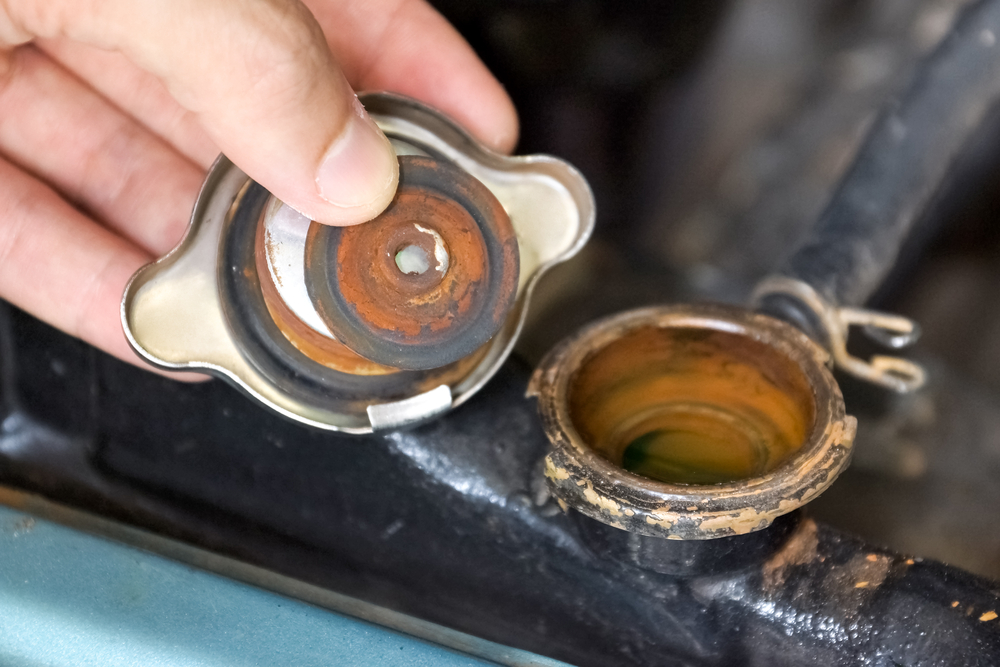
Corrosion is a pervasive issue that affects many metal components in vehicles, including radiators. Over time, exposure to moisture and contaminants can cause the metal in the radiator to corrode, leading to weakened areas and potential leaks. Corrosion is often accelerated in regions where road salt is used during winter months, as salt can promote rust formation.
2. Leaks
Leaks are perhaps one of the most common problems encountered with car radiators. Leaks can occur due to various reasons, such as corrosion, physical damage from debris on the road, or worn-out seals and gaskets. Regardless of the cause, radiator leaks can lead to coolant loss, which can result in engine overheating and potential damage if not addressed promptly.
3. Overheating
One of the primary functions of the radiator is to dissipate heat from the engine coolant. However, if the radiator itself is compromised due to issues like blockages or leaks, it can hinder the cooling process, leading to engine overheating. Overheating can cause significant damage to the engine components if not rectified in time.
4. Blockages
Blockages in the radiator can impede the flow of coolant, thereby reducing its ability to dissipate heat effectively. Blockages can occur due to various reasons, such as the accumulation of debris, sedimentation of coolant additives, or the presence of air pockets. A blocked radiator can result in uneven cooling and eventual engine overheating.
5. Rust Buildup
Rust buildup is another common issue that plagues car radiators, especially in older vehicles or those exposed to harsh environmental conditions. Rust can accumulate within the radiator's channels and fins, restricting coolant flow and impeding heat transfer. Additionally, rust particles can contaminate the coolant, leading to further corrosion and potential damage to other engine components.
Symptoms of Radiator Problems
Recognizing the signs of radiator problems early on can help prevent more significant issues down the line. Some common symptoms of radiator problems include:
Engine overheating
Low coolant levels
Visible leaks underneath the vehicle
Discolored coolant indicating contamination or rust presence
Diagnosing Radiator Issues
When faced with radiator problems, it's essential to diagnose the underlying issue accurately. Diagnostic steps may include:
Visual inspection of the radiator and associated components
Performing a pressure test to check for leaks
Analyzing the condition of the coolant for signs of contamination or degradation

Fixing Car Radiator Problems
Depending on the severity of the issue, fixing radiator problems may involve:
Repairing minor leaks or damages
Flushing the radiator to remove contaminants and blockages
Using radiator sealants to patch leaks temporarily
Ultimately, replacement may be necessary for severely damaged radiators
Preventive Maintenance
To minimize the risk of encountering radiator problems, it's crucial to practice preventive maintenance, including:
Regular inspections of the radiator and cooling system
Periodic flushing of the coolant to remove debris and contaminants
Using high-quality coolant suitable for your vehicle's specifications
Conclusion
Your car's radiator is a vital component responsible for maintaining the engine's optimal operating temperature. By understanding the common problems associated with car radiators and taking proactive measures to address them, you can ensure the longevity and efficiency of your vehicle's cooling system.
FAQs
1.How often should I flush my car's radiator?
It's recommended to flush your car's radiator every two years or as specified in your vehicle's maintenance manual.
2.Can I drive with a leaking radiator?
Driving with a leaking radiator can lead to coolant loss and engine overheating. It's advisable to address radiator leaks promptly to prevent further damage.
3.What causes radiator blockages?
Radiator blockages can be caused by debris accumulation, coolant additives sedimentation, or air pockets trapped within the system.
4.Can I use water instead of coolant in my radiator?
While water can temporarily be used in emergencies, coolant is preferred as it contains additives that protect the radiator from corrosion and provide antifreeze properties.
5.How do I know if my radiator needs replacement?
Signs such as extensive corrosion, irreparable leaks, or significant rust buildup may indicate the need for radiator replacement.
HD-Contact
Name*
Country*
Email*
Tel/ Whatsapp*
For Retail/ Business (Click to Choose)
- Retail
- Business
Message*
Verification code


