
How to tell if your car radiator is going bad
Introduction
The radiator is an essential component of your vehicle's cooling system, responsible for maintaining the engine's operating temperature within optimal ranges. Recognizing signs of a failing radiator is crucial to prevent engine damage and ensure reliable vehicle performance.
Signs of a Failing Car Radiator
Engine Overheating
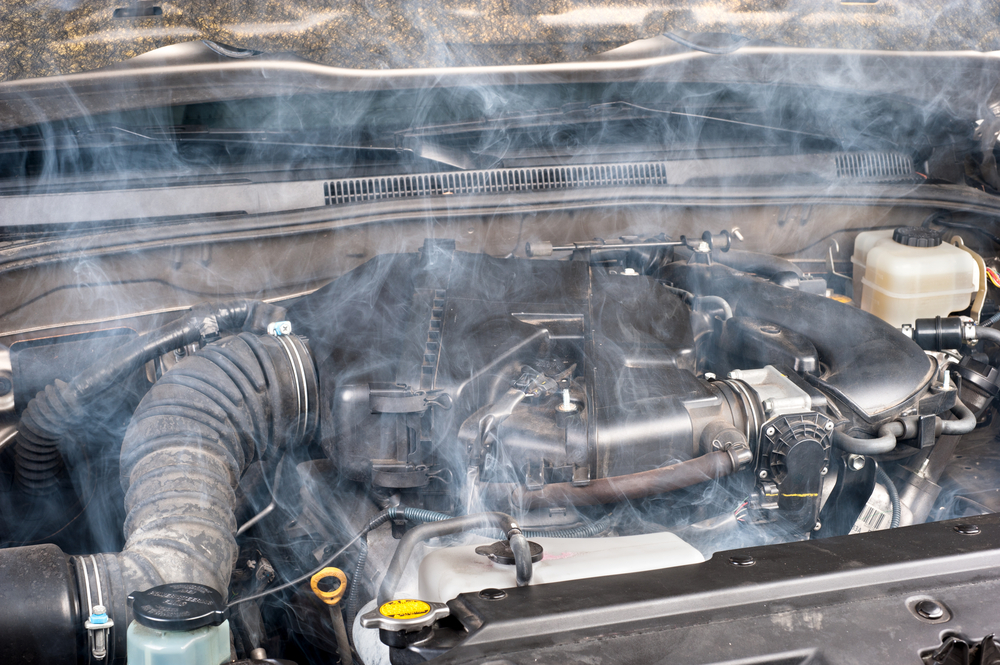
Explanation: The most obvious sign of radiator problems is when the engine overheats. This can be indicated by the temperature gauge climbing into the red zone or by dashboard warning lights illuminating.
Causes: Issues like coolant leaks, blocked radiator tubes, or malfunctioning thermostat can all lead to inadequate heat dissipation and engine overheating.
Coolant Leaks
Visible Signs: Look for puddles or stains under the front of your vehicle after it has been parked. Leaks can occur due to corrosion, worn-out seals, or physical damage to the radiator.
Identifying Leaks: Check the radiator, hoses, and connections for signs of coolant residue or wet spots, indicating a leak that needs immediate attention.
Discolored Coolant
Signs: If the coolant appears rusty, muddy, or has an unusual color, it may indicate internal corrosion or contamination. This can be caused by old coolant, mixing with oil due to a leaking head gasket, or other internal engine issues.
Checking Coolant Condition: Regularly inspect the coolant reservoir or radiator filler neck for discoloration or debris, as this can signify underlying radiator problems.
Low Coolant Levels
Monitoring: Keep an eye on the coolant level in the reservoir. A noticeable drop in coolant level over time suggests there may be a leak in the radiator or cooling system.
Causes: Leaks, evaporation, or improper coolant maintenance can all contribute to low coolant levels, which can lead to engine overheating if not addressed promptly.
Radiator Fins Damage
Visual Inspection: Inspect the radiator fins for any signs of damage, such as bent or crushed fins. Damaged fins hinder airflow through the radiator, reducing its cooling efficiency.
Impact of Damage: Factors like road debris, collisions, or age-related wear can compromise the radiator fins, necessitating repair or replacement for optimal radiator performance.

Steps to Confirm Radiator Issues
Comprehensive Inspection: Perform a thorough visual inspection of the radiator, coolant hoses, connections, and reservoirs for signs of leaks, damage, or corrosion.
Pressure Testing: Utilize a cooling system pressure tester to identify leaks or pressure irregularities that may not be visible during visual inspection alone.
Coolant Analysis: Conduct periodic coolant analysis to assess pH levels, contamination, or coolant degradation, providing insights into overall system health.
What to Do if Your Radiator is Failing
Immediate Response: If your engine overheats or you notice coolant leaks, safely pull over and turn off the engine to prevent further damage. Allow the engine to cool before addressing the issue.
Addressing Coolant Levels: Refill coolant as needed with the correct type and mixture recommended by the manufacturer. Address any identified leaks promptly to prevent further coolant loss.
Professional Assessment: Seek professional automotive diagnosis and repair from qualified technicians to accurately identify and rectify radiator issues, ensuring comprehensive resolution and reliable vehicle operation.
Conclusion
Understanding the signs and symptoms of a failing radiator empowers proactive vehicle maintenance and timely intervention. Regular inspection, prompt response to warning signs, and adherence to manufacturer-recommended maintenance schedules are essential in preserving radiator health and safeguarding engine performance. By prioritizing radiator care, drivers can mitigate potential costly repairs, extend vehicle longevity, and maintain optimal driving conditions for their vehicles.
FAQs
FAQ 1: How do I know if my car radiator is leaking?
Signs: Look for puddles of coolant under your vehicle after parking. You may also notice a sweet smell or steam coming from the engine bay, indicating a coolant leak. Monitoring coolant levels and inspecting radiator hoses for wet spots can also help detect leaks.
FAQ 2: What should I do if my car is overheating?
Immediate Steps: Safely pull over and turn off the engine to prevent further damage. Allow the engine to cool before checking coolant levels. Inspect the radiator for visible signs of damage or leaks. If coolant levels are low, add coolant or water (if safe) to the reservoir. Seek professional help if overheating persists.
FAQ 3: How often should I flush my car's radiator?
Recommendations: It is generally recommended to flush the radiator and replace the coolant every 2 to 5 years, depending on the vehicle manufacturer's guidelines and the type of coolant used. Regular flushing helps remove contaminants and prevents corrosion, maintaining radiator efficiency.
FAQ 4: Can I repair a radiator leak myself?
Considerations: Small leaks may be temporarily sealed with radiator sealants available in automotive stores. However, for larger leaks or more serious issues, it's advisable to consult a professional mechanic. Improperly sealed leaks can lead to further damage or inadequate repair.
FAQ 5: What causes radiator coolant to discolor?
Reasons: Coolant can change color due to internal corrosion of the radiator, contamination by engine oil (possibly from a leaking head gasket), or aging coolant that needs replacement. Discolored coolant may indicate underlying issues that require inspection and possibly repair by a technician.
HD-Contact
Name*
Country*
Email*
Tel/ Whatsapp*
For Retail/ Business (Click to Choose)
- Retail
- Business
Message*
Verification code


