
Top 5 Common Car Radiator Issues Drivers Should Watch Out For
Your car's radiator is the unsung hero of the cooling system—keeping your engine at optimal temperatures, even during long drives or hot summer days. But like any part of a vehicle, radiators can experience problems. If these issues are left unchecked, they may lead to overheating, engine damage, or costly repairs.
In this guide, we’ll break down the five most frequent radiator problems, how to recognize them early, and what you should do to keep your cooling system in top shape.
1. Leaks in the Radiator or Hoses
What happens:
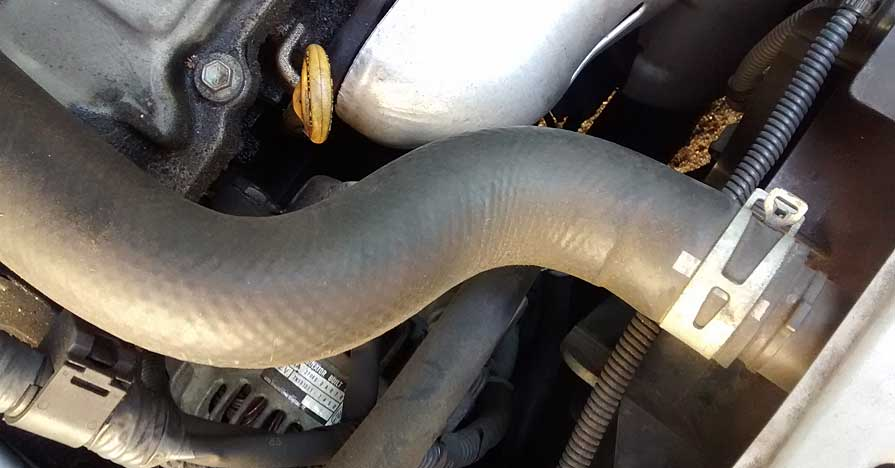
Over time, radiators and their connected hoses can crack, corrode, or degrade. This leads to coolant leaks—one of the most common radiator issues.
Signs to watch for:
Puddles of green, orange, or pink fluid under your car
Drop in coolant level
Sweet smell from engine bay
Engine running hotter than usual
What to do:
Inspect hoses and radiator for visible cracks or wet spots. A pressure test can help identify hidden leaks. Small hose leaks may be repaired, but damaged radiators often require replacement.
2. Corrosion or Rust Build-Up
What happens:
If coolant isn’t replaced regularly or if contaminated water is used, rust and scale can form inside the radiator. This restricts coolant flow and reduces heat transfer efficiency.
Signs to watch for:
Brown, murky, or sludgy coolant
Overheating
Radiator fins looking discolored or damaged
Poor cabin heater performance
What to do:
Flush the cooling system if the coolant is dirty. Use only the recommended type of coolant and distilled water. In advanced corrosion cases, the radiator must be replaced.
3. Overheating Due to Blocked Radiator Fins
What happens:
Radiator fins help dissipate heat by allowing airflow. Dirt, bugs, road debris, or even bent fins can block this airflow, causing the engine to overheat.
Signs to watch for:
High temperature gauge readings
Steam from the hood
Reduced performance on hot days or during uphill driving
What to do:
Regularly inspect and clean the radiator fins with a soft brush or low-pressure water spray. Avoid using high-pressure washers that could damage the fins.
4. Thermostat or Radiator Cap Malfunctions
What happens:
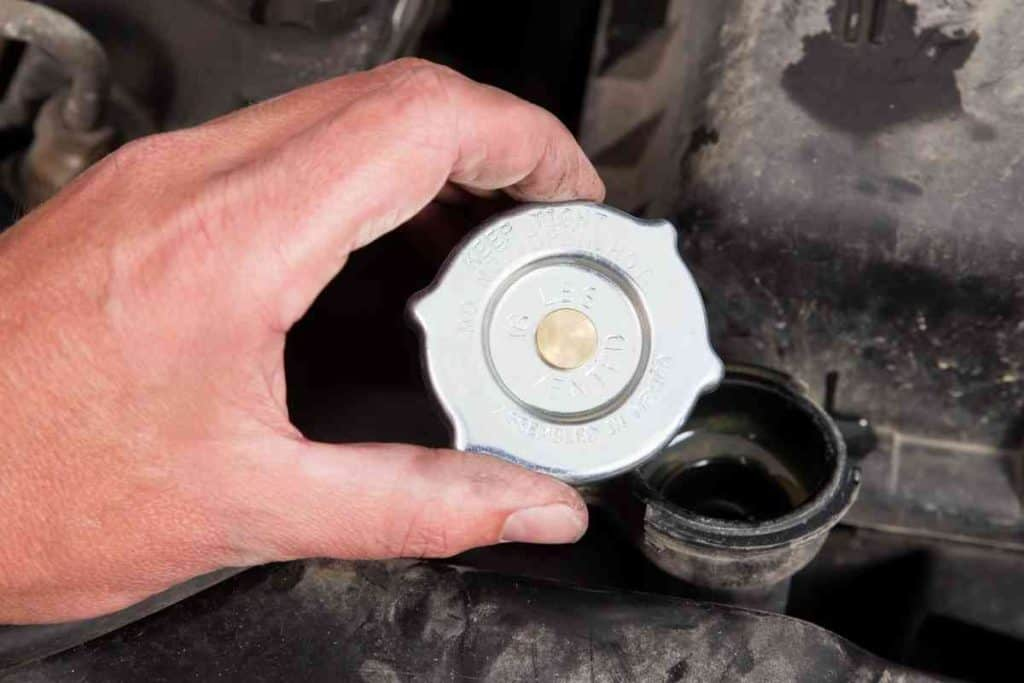
The radiator cap maintains pressure in the cooling system. A weak or faulty cap can allow coolant to boil or escape. Similarly, a malfunctioning thermostat can fail to regulate coolant flow.
Signs to watch for:
Fluctuating engine temperature
Coolant overflow or loss
Gurgling noises from the radiator
What to do:
Replace old radiator caps with one that matches the system pressure rating. If you suspect thermostat issues, it’s best to have it tested or replaced by a technician.
5. Air Pockets in the Cooling System
What happens:
After repairs or coolant flushes, air can get trapped in the cooling system. Air pockets prevent coolant from circulating properly, leading to hot spots and overheating.
Signs to watch for:
Sudden spikes in temperature
No heat from cabin heater
Bubbling in the coolant reservoir
What to do:
Bleed the cooling system according to your vehicle’s manual. This allows trapped air to escape and restores coolant flow.
FAQs
1. Can I drive with a radiator leak?
It’s not recommended. A leaking radiator can quickly lead to engine overheating and serious damage.
2. How often should I flush my radiator?
Generally every 2-3 years or as advised in your owner’s manual. Regular flushing prevents rust and buildup.
3. What’s the normal temperature for a car radiator?
Most engines operate between 195°F and 220°F (90°C to 105°C). Anything beyond that may indicate a cooling problem.
4. What’s the cost to fix radiator issues?
It depends. Hose replacements may cost $50-$150, while a new radiator can range from $300 to $900 including labor.
5. Can a bad radiator cause engine damage?
Absolutely. If your engine runs hot for too long, it may warp the cylinder head, blow a head gasket, or seize completely.
HD-Contact
Name*
Country*
Email*
Tel/ Whatsapp*
For Retail/ Business (Click to Choose)
- Retail
- Business
Message*
Verification code


