
Choosing the Right Car Aluminum Radiator: A Complete Buying Guide
Introduction
A high-performance aluminum radiator is essential for maintaining optimal engine temperature and ensuring the longevity of your vehicle. Whether you’re upgrading from a factory-installed radiator or replacing a worn-out unit, choosing the right aluminum radiator requires careful consideration. Factors like size, core design, cooling capacity, and material quality play a significant role in performance. This guide will help you navigate the key aspects of purchasing a car aluminum radiator to make the best investment for your vehicle.
1. Why Choose an Aluminum Radiator?
Aluminum radiators have become the preferred choice for many car owners due to their superior heat dissipation, durability, and lightweight construction. Here’s why they are better than traditional copper-brass radiators:
· Better Heat Dissipation – Aluminum efficiently transfers heat, improving engine cooling.
· Lightweight Design – Weighs significantly less than copper-brass radiators, reducing vehicle weight and enhancing fuel efficiency.
· Corrosion Resistance – Aluminum is less prone to rust, increasing longevity.
· Durability – High-strength aluminum can withstand extreme temperatures and high pressure.
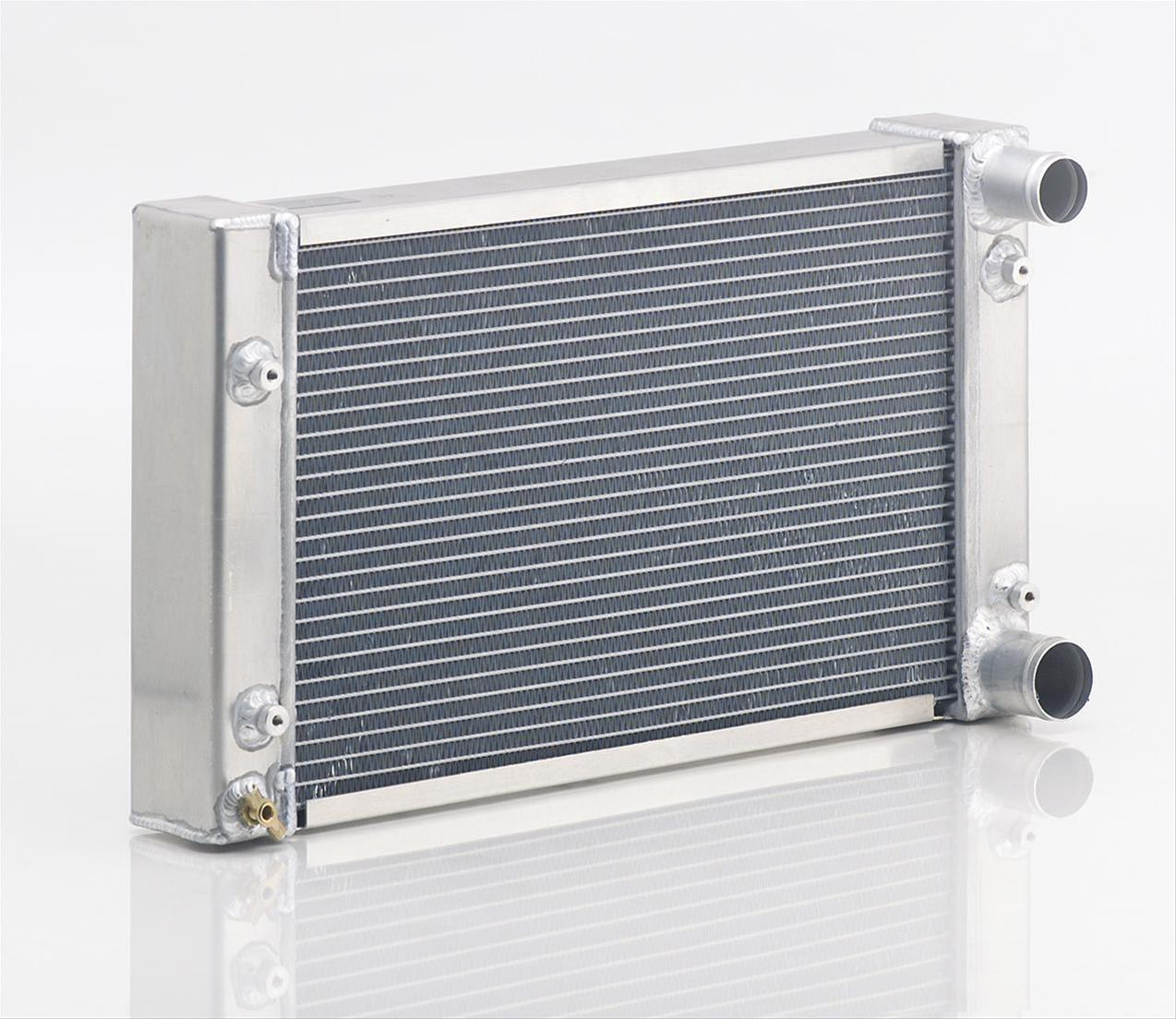
2. Key Factors to Consider When Buying an Aluminum Radiator
A. Compatibility with Your Vehicle
The first step is ensuring that the radiator fits your car’s make and model. Check the dimensions, hose connection locations, and mounting brackets before making a purchase.
Tip: Refer to your vehicle’s manual or consult with the manufacturer to confirm fitment.
B. Number of Rows (Core Thickness)
Radiators are available in single-row, two-row, or three-row designs. More rows generally mean better cooling efficiency.
· Single-row radiators – Suitable for daily drivers with standard cooling needs.
· Two-row radiators – Ideal for performance cars, off-road vehicles, or those in hot climates.
· Three-row radiators – Best for high-performance or racing vehicles with extreme cooling demands.
C. Tube and Fin Design
The design of the radiator tubes and fins directly affects heat dissipation. Look for:
· Wider Tubes: Increase surface area for better heat transfer.
· Dense Fins: More fins per inch (FPI) provide efficient cooling.
D. Cooling Capacity and Efficiency
A radiator’s ability to keep your engine cool depends on its construction and airflow. Key features that enhance cooling include:
· High-flow coolant passages – Reduce overheating risks.
· Efficient fin designs – Improve airflow for better heat dissipation.
· Dual-pass or triple-pass radiators – These circulate coolant multiple times through the core for enhanced cooling.
E. Build Quality and Welding
Well-constructed aluminum radiators last longer and perform better. Consider:
· Fully TIG-welded seams – Ensure strong, leak-proof joints.
· Brazed aluminum cores – Provide better heat conductivity and structural integrity.
F. Compatibility with Cooling Fans
Some aluminum radiators require specific electric or mechanical cooling fans. Check whether your chosen radiator:
· Works with stock fans or requires an upgraded electric fan.
· Has mounting brackets for fan installation.
G. Brand Reputation and Warranty
Buying from reputable manufacturers ensures high-quality construction and better customer support. Look for brands that offer:
· At least 1-year warranty for defects.
· Customer reviews that highlight durability and performance.
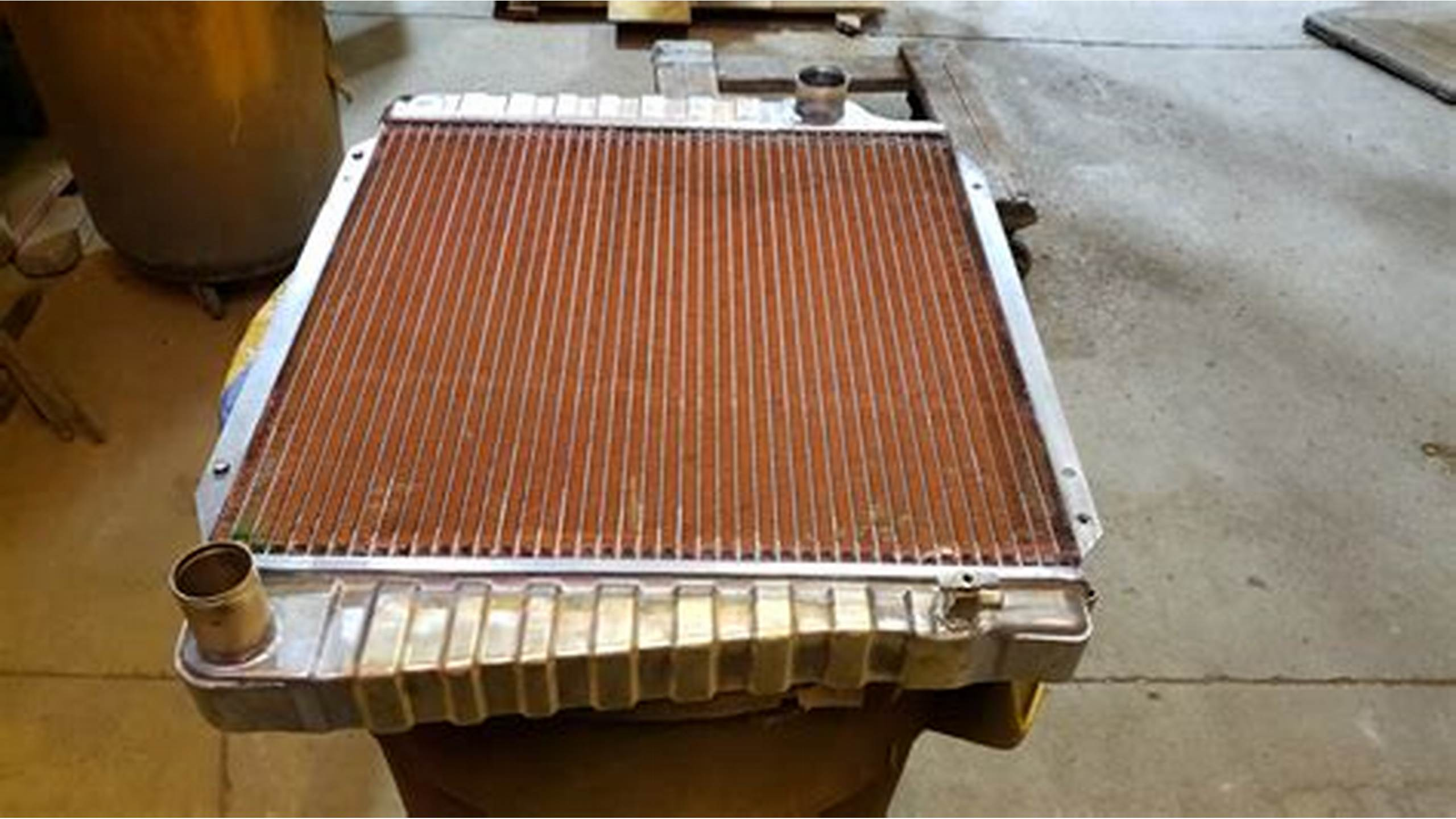
3. Aluminum Radiator vs. Copper-Brass Radiator
Feature | Aluminum Radiator | Copper-Brass Radiator |
Heat Dissipation | High | Moderate |
Weight | Lightweight | Heavy |
Corrosion Resistance | Excellent | Prone to corrosion |
Durability | High | Moderate |
Cooling Efficiency | Superior | Less efficient |
Price | Higher | Lower |
Verdict: If you need a durable, lightweight, and high-performance radiator, aluminum is the better choice.
4. Common Mistakes to Avoid When Buying an Aluminum Radiator
❌ Choosing the Wrong Size: Always measure the mounting space before purchasing.
❌ Ignoring Core Thickness: A thicker core improves cooling but must fit within your engine bay.
❌ Overlooking Fan Compatibility: Ensure it works with your existing cooling system.
❌ Buying a Low-Quality Radiator: Cheap materials may lead to leaks and poor performance.
❌ Skipping Regular Maintenance: Even the best radiators need periodic cleaning and coolant flushes.

5. Installation and Maintenance Tips
✔ Proper Installation: Ensure all hoses are connected securely to prevent leaks.
✔ Use Quality Coolant: Avoid water-only solutions to prevent corrosion.
✔ Check for Air Pockets: Bleed the cooling system after installation to remove trapped air.
✔ Clean the Radiator Regularly: Remove dirt and debris to maintain cooling efficiency.
✔ Inspect for Leaks: Regularly check for signs of coolant leaks or damaged fins.
Conclusion
Choosing the right aluminum radiator for your car requires careful consideration of size, cooling capacity, and build quality. By investing in a high-performance radiator, you ensure better engine cooling, enhanced durability, and improved efficiency. Always buy from reputable brands and perform regular maintenance to maximize longevity.
FAQs
1. How long do aluminum radiators last?
With proper maintenance, an aluminum radiator can last 8-10 years or longer.
2. Do aluminum radiators improve cooling performance?
Yes, aluminum radiators have superior heat dissipation, making them ideal for high-performance and hot-climate vehicles.
3. Can I replace a copper-brass radiator with an aluminum one?
Yes, as long as the size and fittings match your vehicle’s specifications.
4. What is the best coolant for an aluminum radiator?
Use a 50/50 mix of antifreeze and distilled water to prevent corrosion and ensure efficient cooling.
5. How often should I clean my radiator?
For optimal performance, clean the radiator every 6 months and flush the coolant system every 2 years.
HD-Contact
Name*
Country*
Email*
Tel/ Whatsapp*
For Retail/ Business (Click to Choose)
- Retail
- Business
Message*
Verification code


