
Car Radiator Maintenance Guide: Key Components and Functions
The radiator is one of the most critical components of a vehicle's cooling system, responsible for dissipating heat and preventing engine overheating. Proper maintenance of the radiator and its associated components is essential to ensure optimal engine performance and longevity.
In this guide, we’ll explore the key components of a radiator, their functions, and the best maintenance practices to keep your cooling system in top shape.
1. Understanding the Radiator’s Role in Engine Cooling
The radiator works as a heat exchanger, allowing coolant to absorb excess heat from the engine and release it into the air. This process helps maintain the engine's optimal temperature, preventing damage caused by overheating.
How the Radiator Works in the Cooling System
1 Coolant circulates through the engine, absorbing heat.
2The heated coolant flows into the radiator, where it is cooled by airflow.
3The coolant returns to the engine, maintaining a stable temperature.
4The cycle repeats continuously to keep the engine from overheating.
A well-maintained radiator ensures efficient heat dissipation, reducing wear on the engine and improving fuel efficiency.
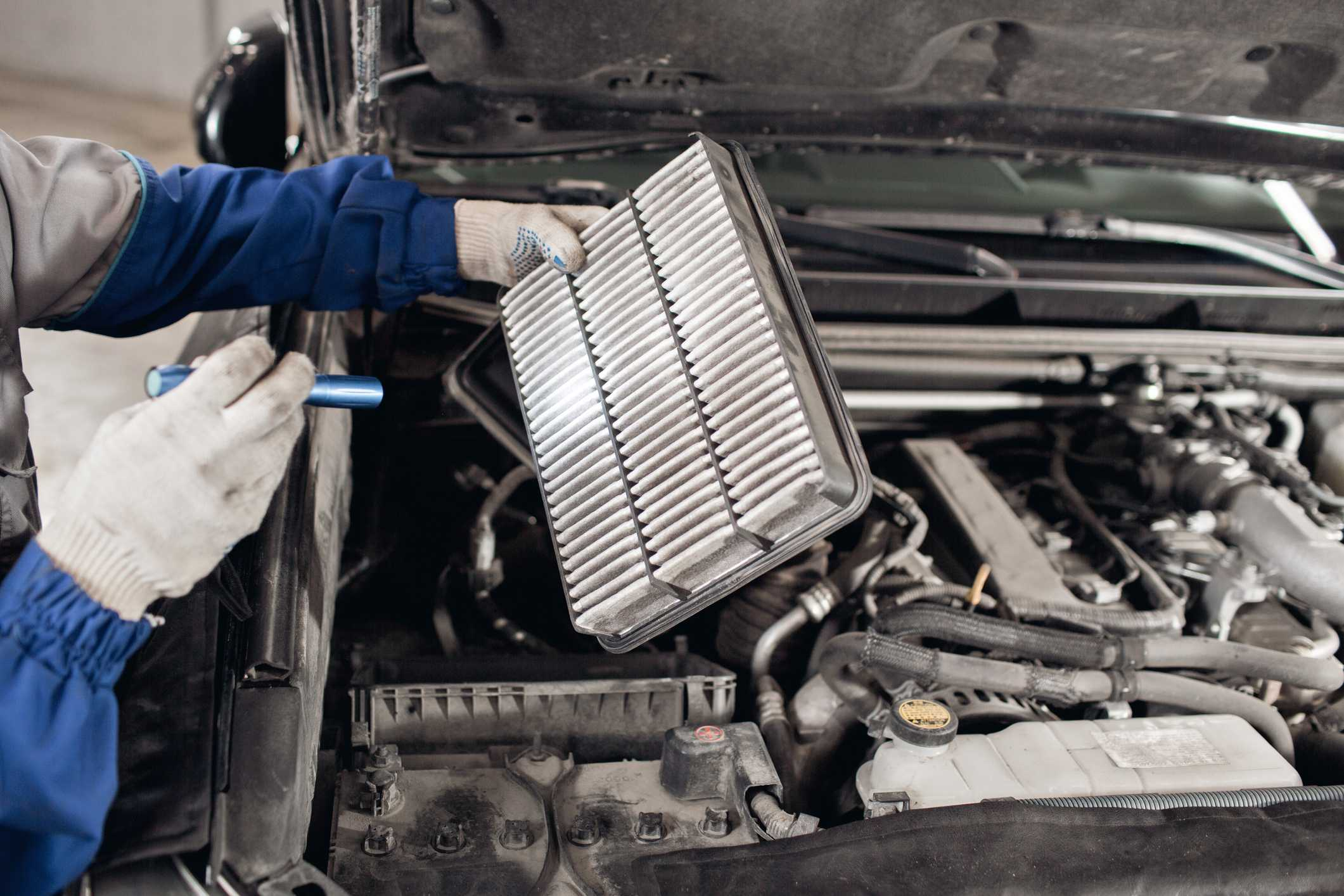
2. Key Components of a Car Radiator and Their Functions
To maintain your radiator effectively, it’s essential to understand its key components:
1. Radiator Core
✅ The central part of the radiator, consisting of tubes and cooling fins.
✅ Function: Transfers heat from the coolant to the air through cooling fins.
2. Coolant (Antifreeze)
✅ A liquid mixture of water and antifreeze chemicals (ethylene glycol or propylene glycol).
✅ Function: Absorbs and transfers heat while preventing freezing or boiling.
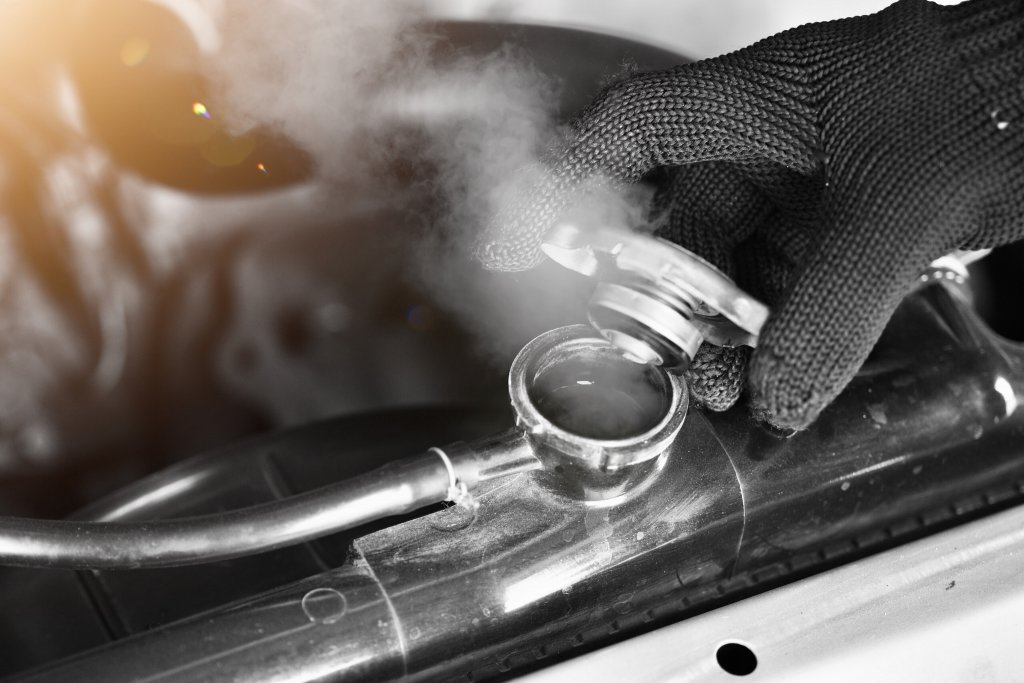
3. Radiator Cap
✅ A pressurized cap that maintains the system's correct pressure level.
✅ Function: Prevents coolant from boiling and ensures proper circulation.
4. Thermostat
✅ A temperature-sensitive valve that regulates coolant flow.
✅ Function: Opens when the engine reaches optimal temperature, allowing coolant to flow into the radiator.
5. Water Pump
✅ The heart of the cooling system, responsible for circulating coolant.
✅ Function: Ensures continuous coolant movement between the radiator and engine.
6. Radiator Hoses
✅ Rubber tubes that connect the radiator to the engine.
✅ Function: Transport coolant to and from the radiator.
7. Cooling Fan
✅ An electric or belt-driven fan located near the radiator.
✅ Function: Provides additional airflow to enhance cooling.
8. Overflow Tank (Expansion Tank)
✅ A reservoir for excess coolant.
✅ Function: Collects and stores coolant when the system is under high pressure.
If any of these components fail, the radiator’s efficiency decreases, leading to engine overheating, coolant leaks, or radiator damage.
3. Essential Radiator Maintenance Tips
1. Check Coolant Levels Regularly
Low coolant levels can cause overheating and engine damage.
Inspect the coolant reservoir every 1,000-2,000 miles.
Top up coolant if necessary, using the correct antifreeze-to-water ratio.
2. Flush the Radiator Periodically
Over time, coolant degrades and collects debris, forming rust and sludge.
Perform a radiator flush every 30,000-50,000 miles to remove buildup.
Use manufacturer-recommended coolant to prevent contamination.
3. Inspect Hoses and Clamps
Radiator hoses can develop cracks, leaks, or loose connections.
Check for soft spots, bulges, or wear every 6 months.
Replace damaged hoses immediately to prevent coolant leaks.
4. Monitor the Radiator Cap
A faulty radiator cap reduces system pressure, causing overheating.
Ensure the cap seals tightly and replace it if it's worn or leaking.
5. Keep the Radiator Clean
Debris and dirt can block airflow, reducing cooling efficiency.
Use compressed air or a soft brush to clean the radiator fins.
Avoid pressure washing, which can bend the cooling fins.
6. Check for Leaks
Coolant leaks can lead to rapid overheating.
Inspect under the car for puddles of green, orange, or pink fluid.
If a leak is found, repair or replace the affected component.
7. Test the Thermostat
A stuck thermostat can cause erratic temperature changes.
If your engine heats up too quickly or stays cold too long, replace the thermostat.
8. Ensure Proper Cooling Fan Operation
A non-working cooling fan can lead to poor heat dissipation.
Turn on the A/C and check if the fan spins at the correct speed.
If it doesn’t work, check the fan motor, relay, and wiring.
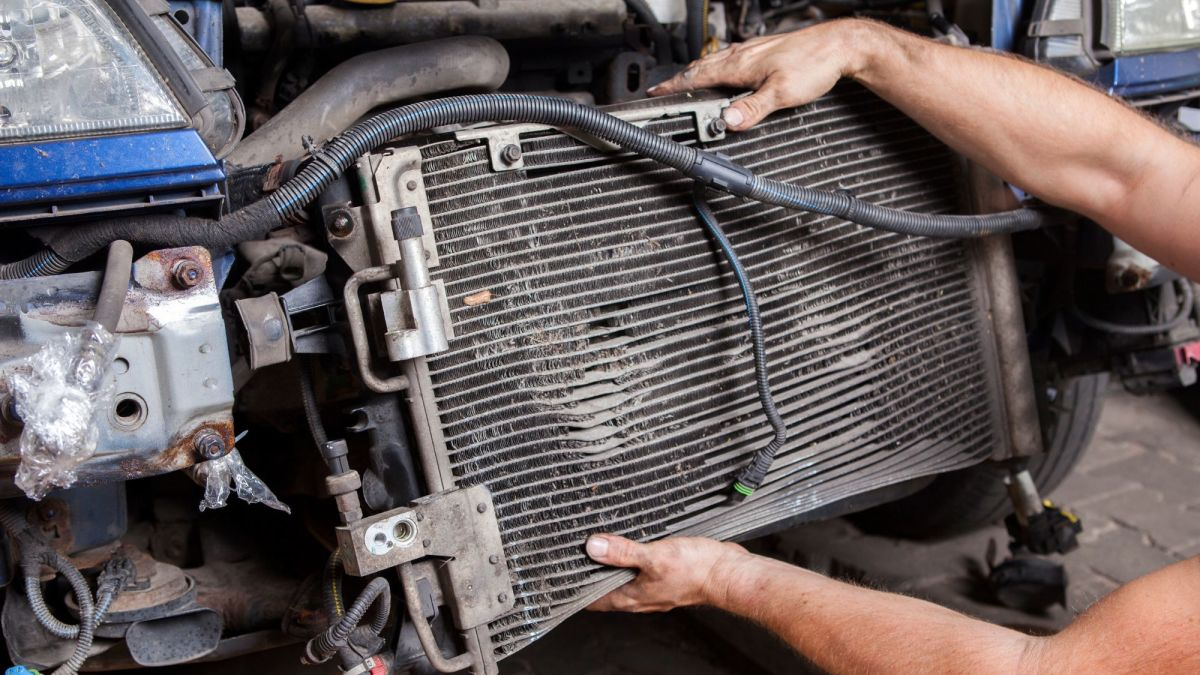
4. Signs of Radiator Problems
If your radiator fails or becomes inefficient, your car may show the following warning signs:
1. Engine Overheating – The temperature gauge reads higher than normal.
2. Coolant Leaks – Puddles of colored liquid under the vehicle.
3. Rust or Corrosion – Brown or orange sludge inside the radiator.
4. Low Coolant Levels – Frequent coolant loss without visible leaks.
5. Poor Cabin Heating – A clogged radiator reduces heater performance.
Ignoring these issues can lead to severe engine damage, requiring expensive repairs.
5. When to Replace Your Radiator
If your radiator shows signs of extreme wear, replacement is necessary. Consider replacing the radiator if:
It has multiple leaks or severe corrosion.
The cooling fins are damaged beyond repair.
It overheats frequently, despite proper coolant levels.
The thermostat and water pump have already been replaced, but issues persist.
Replacing a faulty radiator ensures consistent cooling performance and protects your engine from overheating.
Conclusion: Keep Your Radiator in Top Condition
A properly maintained radiator ensures optimal engine cooling, better fuel efficiency, and long-term reliability. By following routine inspections, coolant flushes, and leak checks, you can prevent overheating and costly repairs.
If you notice coolant leaks, overheating, or poor A/C performance, inspect the radiator and cooling system immediately. Early detection can save your engine from severe damage.
FAQs
1. How often should I change my car’s coolant?
Most manufacturers recommend changing coolant every 30,000-50,000 miles or every 2-3 years.
2. What happens if I don’t flush my radiator?
Old coolant can become contaminated with rust and debris, leading to clogs, overheating, and reduced efficiency.
3. Can I drive with a small coolant leak?
It’s not advisable. Even a minor leak can lead to engine overheating and costly repairs.
4. How do I know if my radiator needs to be replaced?
If it has multiple leaks, severe corrosion, or constant overheating issues, a replacement is recommended.
5. Why is my car still overheating after replacing the radiator?
Check for a faulty thermostat, water pump, or cooling fan, as these components also affect engine temperature.
HD-Contact
Name*
Country*
Email*
Tel/ Whatsapp*
For Retail/ Business (Click to Choose)
- Retail
- Business
Message*
Verification code


