
Can my car radiator affect my air conditioning?
In the intricate world of automotive mechanics, the connection between a car's radiator and its air conditioning system might not be immediately apparent. However, these two seemingly independent components share more than meets the eye. This article will delve into the intricate relationship between a car's radiator and air conditioning, exploring how issues with one can impact the performance of the other.
Introduction
When we pop the hood of our cars, the complex web of components can be overwhelming. Amidst this mechanical symphony, the radiator and air conditioning system play crucial roles. But how exactly do they interact, and can problems with one lead to issues with the other?
Understanding the Car Radiator
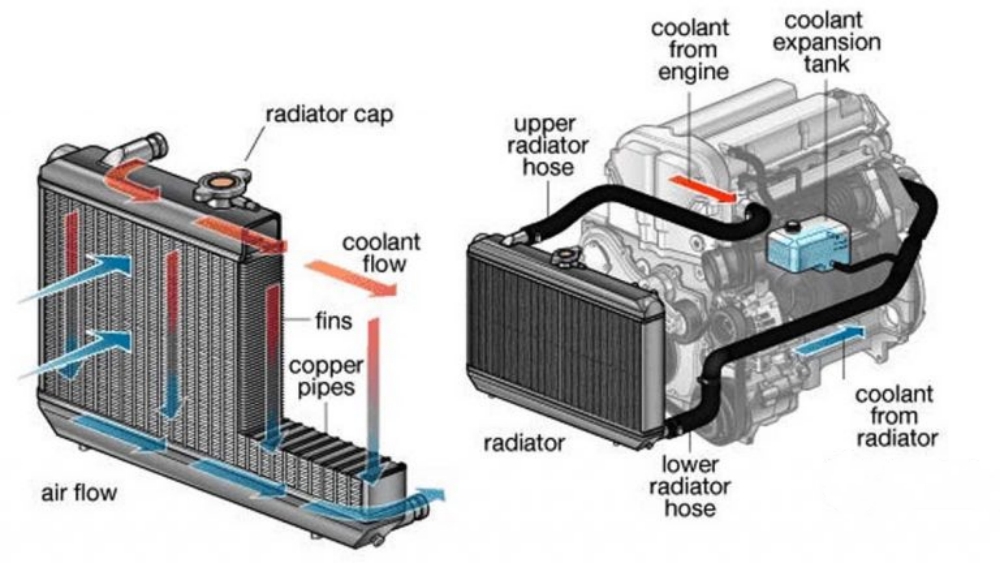
The car radiator, often overlooked, is a critical component for regulating engine temperature. Comprising a network of tubes and fins, it dissipates heat generated by the engine to prevent overheating. Understanding its function is essential to grasp its potential impact on other systems.
III. The Role of Coolant
Coolant plays a crucial role in the radiator by serving as a heat transfer medium that helps regulate the temperature of the engine. It is typically a mixture of water and antifreeze, and its primary function is to absorb and carry away excess heat generated by the engine during combustion. Without coolant, the engine would be prone to overheating, leading to potential damage and reduced performance.
Coolant regulates temperature through a continuous cycle within the engine's cooling system. As the engine heats up, the coolant absorbs the excess heat and circulates through the radiator. In the radiator, the coolant releases the heat to the surrounding air, cooling down before returning to the engine to repeat the process. This cycle ensures that the engine operates within an optimal temperature range, promoting efficient combustion and preventing overheating.
IV. Impact on Engine Temperature
The connection between the radiator and engine temperature is pivotal for the overall health and performance of the vehicle. The radiator acts as a heat exchanger, removing heat from the engine coolant. If the radiator fails or if there's insufficient coolant, the engine temperature can skyrocket, leading to potential damage. Overheating issues can result from factors such as coolant leaks, a malfunctioning thermostat, or a faulty water pump.
Engine overheating can have severe consequences, including warped cylinder heads, blown gaskets, and damage to engine components. In extreme cases, it may even lead to engine failure. Regular maintenance, including checking coolant levels and inspecting the radiator for leaks, is essential to prevent overheating and ensure the longevity of the engine.
V. Air Conditioning in Cars
Car air conditioning systems play a vital role in providing comfort to occupants, especially during hot weather. The system relies on a refrigerant to cool and dehumidify the air inside the vehicle. The process involves the compression and expansion of the refrigerant, absorbing heat from the interior and releasing it outside.
VI. Shared Components
Examining shared elements between the radiator and AC reveals that both systems rely on efficient heat exchange. The radiator dissipates heat from the engine coolant, while the AC evaporator and condenser facilitate the transfer of heat for cooling the air inside the car. The radiator and AC systems share certain components, such as the fan and, in some cases, the condenser.
Potential interdependence issues may arise if one system negatively impacts the other. For instance, an overheating engine may lead to increased heat in the vicinity of the AC components, affecting their efficiency. Conversely, a malfunctioning AC system may result in increased engine temperatures if the shared components are compromised.

VII. Can the Radiator Affect AC Performance?
Several factors influence AC operation, and the radiator can indeed impact AC performance under certain circumstances. If the radiator is not functioning correctly or if there are cooling system issues, the shared components may be affected. Reduced heat dissipation from the radiator can lead to higher temperatures around the AC components, affecting their efficiency and overall performance.
VIII. Signs of Radiator-AC Issues
Identifying symptoms of problems involving the radiator and AC is crucial for car owners. Common warning signs may include:
Overheating: If the engine temperature consistently rises, it could indicate radiator or cooling system issues that may impact the AC.
Reduced AC Performance: Poor cooling efficiency or warm air blowing from the vents may signal problems with shared components or the overall cooling system.
Coolant Leaks: Any visible coolant leaks should be addressed promptly to prevent damage to both the radiator and AC components.
Unusual Noises: Strange noises from the radiator fan or AC compressor may indicate issues that require attention.
Regular inspections, timely maintenance, and addressing any warning signs promptly can help car owners prevent and resolve radiator-AC issues, ensuring the proper functioning of both systems.
Maintenance Tips
Regular checks and maintenance routines are essential for both the radiator and the air conditioning system. From inspecting coolant levels to cleaning AC filters, understanding these DIY tasks can save you from costly repairs.
Preventive Measures
Taking preventive measures goes beyond routine checks. This section outlines steps to avoid radiator-AC issues altogether, emphasizing the importance of addressing problems promptly.
Real-Life Scenarios
To drive home the importance of maintaining both systems, we share real-life stories of individuals facing radiator-AC challenges. Discover how addressing these issues not only improved AC performance but also prolonged the overall lifespan of their vehicles.
Expert Opinions
Seeking insights from automotive experts, we gain a deeper understanding of the intricacies between the radiator and air conditioning. Expert recommendations for optimal car maintenance further guide us in keeping our vehicles in top-notch condition.
Advancements in Radiator Technology
In the ever-evolving world of automotive technology, radiators are not exempt. Modern features and innovations enhance their performance, with ripple effects on air conditioning systems.

Future Trends
Peering into the future, we explore predictions for radiator-AC integration in upcoming cars. Innovations in automotive cooling technologies offer a glimpse into how these systems will evolve.
Conclusion
In conclusion, the relationship between your car's radiator and air conditioning is more intertwined than you might have thought. Regular maintenance, proactive measures, and staying informed are your allies in ensuring both systems work harmoniously, providing a comfortable and reliable driving experience.
5 Unique FAQs
1.Can a malfunctioning radiator cause my air conditioning to stop working?
Explore the potential consequences of radiator issues on AC performance.
2.What role does coolant play in both the radiator and air conditioning system?
Understand the dual importance of coolant in maintaining engine temperature and AC efficiency.
3.Are there DIY tasks I can perform to prevent radiator-AC issues?
Learn about simple yet effective maintenance tasks to keep both systems running smoothly.
4.How do advancements in radiator technology impact overall vehicle performance?
Delve into the modern features that enhance radiator performance and their implications on the AC.
5.What should I do if I notice warning signs of radiator-AC problems?
Gain insights into the immediate actions to take when faced with potential issues, ensuring timely repairs.
HD-Contact
Name*
Country*
Email*
Tel/ Whatsapp*
For Retail/ Business (Click to Choose)
- Retail
- Business
Message*
Verification code


