
5 Key Signs Your Car Radiator Might Be Failing – What to Watch For!
Introduction
Your car’s radiator is one of the most crucial components of the cooling system, preventing the engine from overheating. A malfunctioning radiator can lead to serious engine damage, costly repairs, and even complete breakdowns. If you suspect your radiator is having issues, addressing them early can save you time and money. Here are five key warning signs that indicate potential radiator problems and what you should do about them.
1. Overheating Engine – A Red Flag You Shouldn’t Ignore
One of the most obvious signs of radiator trouble is engine overheating. If your temperature gauge is frequently rising into the red zone or you notice steam coming from under the hood, your radiator may not be effectively cooling the engine.
Possible Causes:
Low coolant levels due to leaks
A clogged radiator preventing proper heat dissipation
A malfunctioning thermostat or water pump
What to Do:
Check the coolant level – If it’s low, refill it with the manufacturer-recommended coolant.
Inspect for leaks – Look under the vehicle for signs of coolant dripping.
Monitor the temperature gauge – If overheating persists, seek professional help to diagnose the issue.
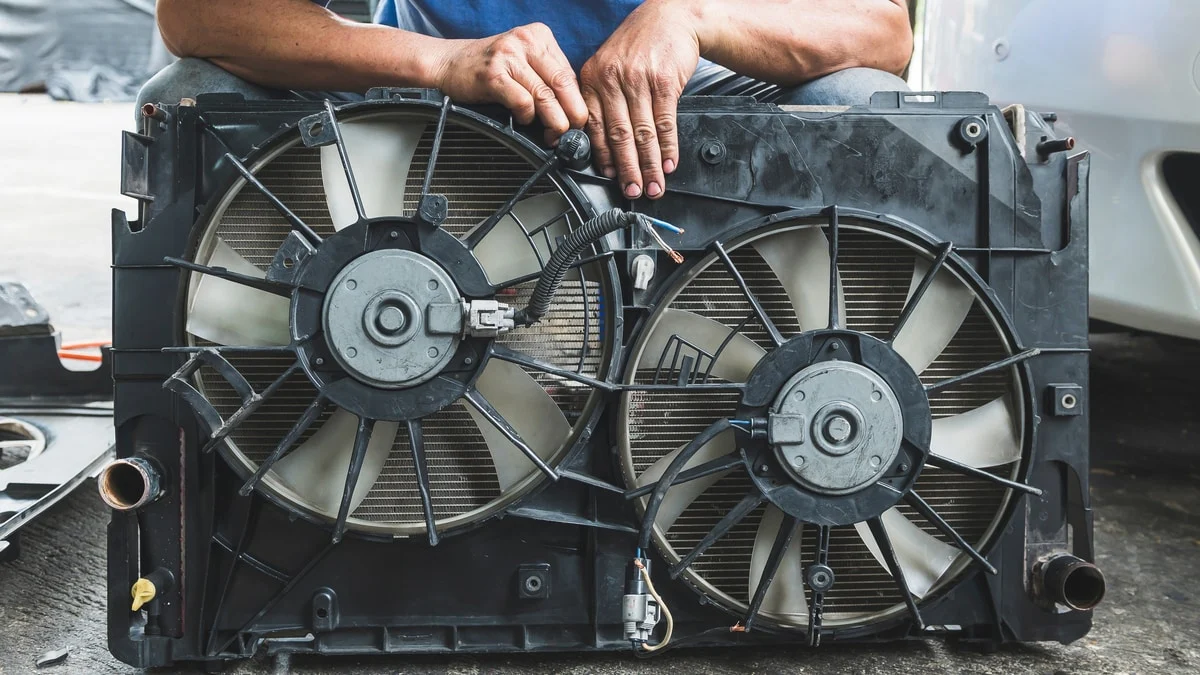
2. Coolant Leaks – Don’t Ignore the Puddles
If you notice green, orange, or yellow fluid pooling under your car, it could be coolant leaking from the radiator or its connecting hoses. A leak means your radiator can’t maintain proper coolant levels, leading to engine overheating.
Possible Causes:
Cracked or corroded radiator
Loose or damaged radiator hoses
Worn-out radiator cap
What to Do:
Inspect the radiator and hoses for cracks, loose fittings, or leaks.
Replace any damaged components – A simple hose replacement might solve the problem.
If the radiator is corroded, a professional repair or replacement may be necessary.
3. Discolored or Sludgy Coolant – A Sign of Internal Corrosion
Coolant should be bright green, orange, or yellow, depending on the type. If it looks brown, murky, or sludgy, it may indicate rust, contamination, or internal damage in the radiator.
Possible Causes:
Rust and corrosion inside the radiator
Oil mixing with coolant due to a blown head gasket
A clogged radiator blocking proper coolant circulation
What to Do:
Flush the radiator to remove contaminants and refill with fresh coolant.
Check for signs of oil contamination, which could indicate a serious engine issue.
Use high-quality coolant that matches your car’s specifications to prevent future buildup.
4. Poor Cabin Heating – A Sign of Cooling System Issues
Your car’s heating system relies on hot coolant circulating through the heater core. If the radiator isn’t functioning properly, you might experience weak or no heat inside the cabin.
Possible Causes:
Low coolant levels preventing heat transfer
A clogged heater core restricting coolant flow
A faulty thermostat affecting temperature regulation
What to Do:
Check coolant levels and top them off if needed.
Inspect the heater core and radiator for blockages that may need flushing.
Test the thermostat – If it’s stuck open or closed, it may need replacement.
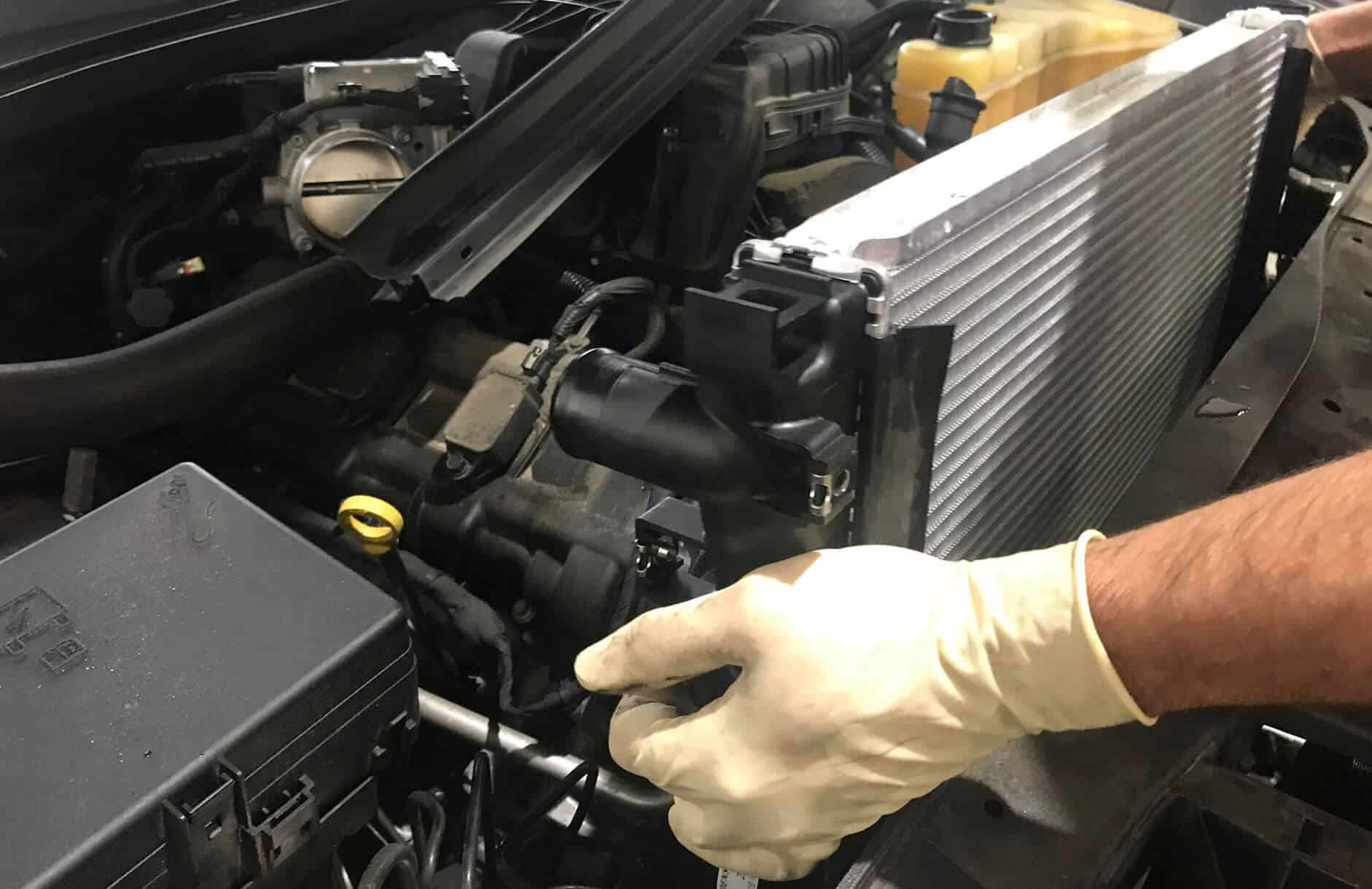
5. Unusual Noises or Steam from the Radiator
If you hear gurgling, hissing, or bubbling noises from the radiator, or see steam coming from under the hood, it’s a strong indication of a cooling system failure.
Possible Causes:
Air pockets trapped in the radiator
A failing radiator cap not maintaining proper pressure
Overheating causing coolant to boil and produce steam
What to Do:
Release trapped air by bleeding the cooling system.
Replace a worn-out radiator cap to maintain proper pressure.
If steam is visible, turn off the engine immediately and let it cool before checking further.
Final Thoughts
Ignoring radiator problems can lead to severe engine damage and costly repairs. If you suspect an issue, take immediate action by checking for leaks, monitoring temperature levels, and ensuring clean coolant circulation. Regular radiator maintenance, timely coolant replacement, and professional inspections can prevent major issues before they arise.
FAQs
1. How often should I check my car’s radiator?
It’s best to check your radiator and coolant levels at least once a month and before long trips to prevent unexpected failures.
2. What happens if I keep driving with a bad radiator?
A failing radiator can lead to severe engine overheating, which may cause blown gaskets, warped engine components, or even complete engine failure.
3. Can I use water instead of coolant in an emergency?
Yes, but only temporarily. Water lacks corrosion inhibitors and antifreeze properties, so you should replace it with proper coolant as soon as possible.
4. How do I know if my radiator needs to be flushed?
If you notice sludgy, rusty, or dirty coolant, or if your engine overheats frequently, a radiator flush may be necessary.
5. How much does it cost to replace a car radiator?
The cost varies based on the car model, but a typical radiator replacement ranges from $300 to $900, including labor.
HD-Contact
Name*
Country*
Email*
Tel/ Whatsapp*
For Retail/ Business (Click to Choose)
- Retail
- Business
Message*
Verification code


