
4 Essential Care Tips for Maintaining Your Car Radiator
Introduction
Your car’s radiator plays a vital role in preventing engine overheating by dissipating excess heat. Proper radiator maintenance ensures smooth engine performance, prevents costly repairs, and extends the life of your vehicle. Neglecting radiator care can lead to overheating, leaks, and engine failure.
In this guide, we’ll discuss four key care tips to keep your radiator in top condition.
1. Regularly Check Coolant Levels and Quality
Coolant (also known as antifreeze) is essential for absorbing and transferring heat away from the engine. Low or degraded coolant can cause overheating, corrosion, and radiator damage.
How to Maintain Coolant Levels:
✔Check coolant levels at least once a month and before long trips.
✔Ensure the coolant is between the "MIN" and "MAX" marks on the reservoir.
✔Use the recommended coolant type for your vehicle.
✔If the coolant appears rusty, murky, or has debris, flush the system and replace it.
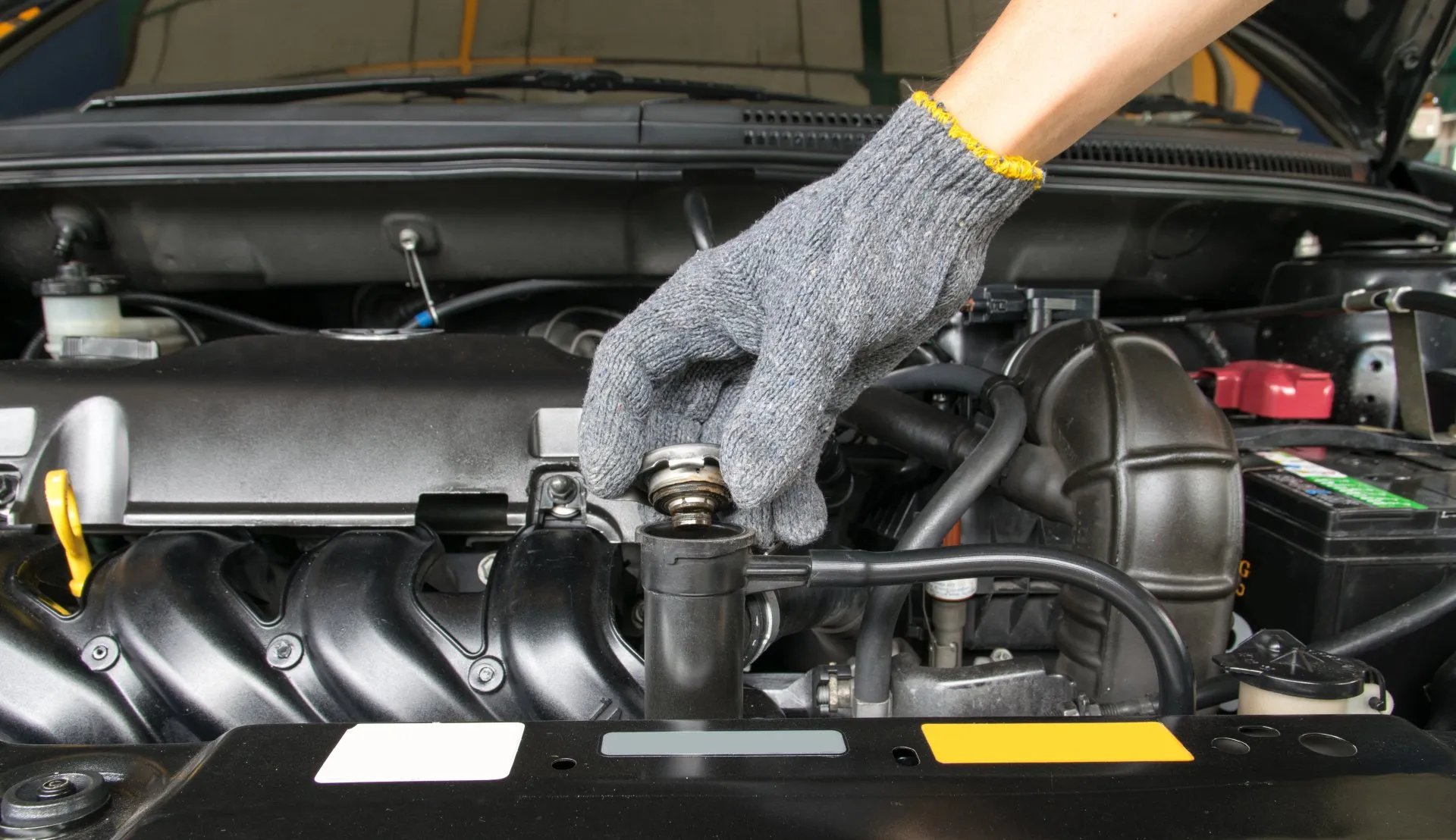
Tip: Never open the radiator cap when the engine is hot—it can release scalding steam and cause burns.
2. Inspect for Leaks and Corrosion
Coolant leaks and radiator corrosion can cause serious engine damage if not addressed promptly.
Common Signs of Radiator Leaks:
Puddles of green, orange, or pink liquid under the car.
Engine temperature gauge showing higher-than-normal readings.
A sweet smell from the engine bay.
How to Prevent Corrosion & Leaks:
✔Inspect radiator hoses for cracks, bulges, or leaks.
✔Ensure hose clamps are tight and secure.
✔Check the radiator cap for wear—faulty caps can cause pressure imbalances.
✔Use a 50/50 coolant-water mix to prevent corrosion.
Tip: If you notice a leak, get it fixed immediately to prevent severe engine overheating.
3. Clean the Radiator and Cooling Fins
Dirt, debris, and bugs can clog the radiator’s cooling fins, reducing airflow and hindering heat dissipation. This can cause overheating, especially in hot weather or stop-and-go traffic.
How to Clean the Radiator Properly:
✔Exterior Cleaning – Use a soft brush or compressed air to remove dirt from the fins.
✔Deep Cleaning – Spray the radiator with a low-pressure water hose to clear out debris.
✔Check for Bent Fins – Use a fin comb to straighten any damaged fins.
Tip: Avoid using high-pressure water, as it can damage the delicate fins and reduce cooling efficiency.
4. Perform Routine Radiator Flushes
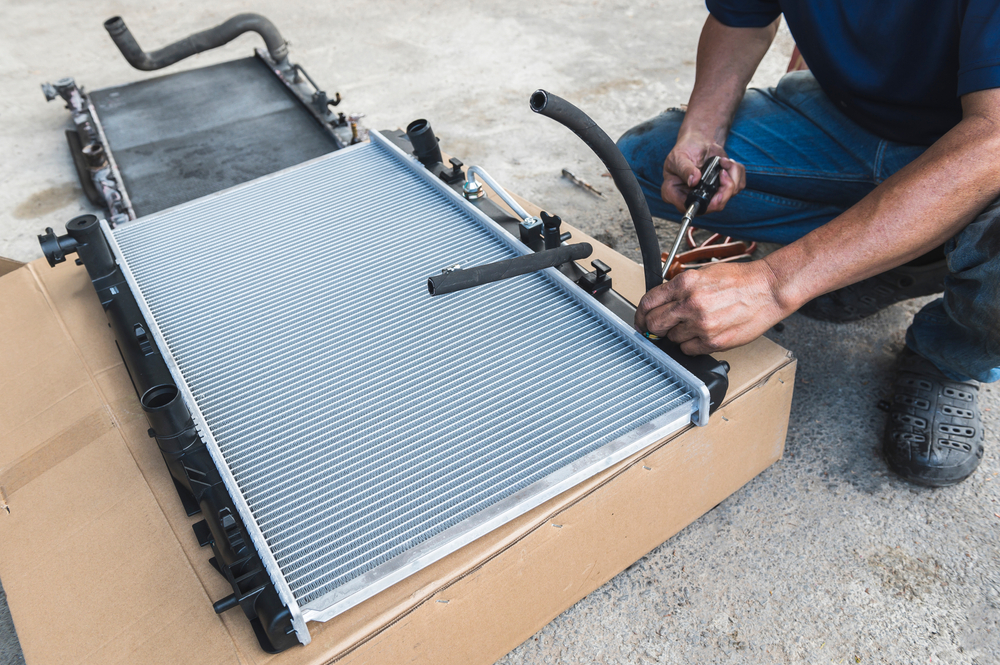
Over time, coolant can become contaminated with dirt, rust, and debris, causing blockages in the radiator and cooling system. A radiator flush removes old coolant and replaces it with fresh fluid, keeping the system clean and efficient.
How Often Should You Flush the Radiator?
Every 30,000–50,000 miles or as recommended in your owner’s manual.
If the coolant appears dirty, discolored, or has floating debris.
If the radiator is overheating frequently despite having enough coolant.
Tip: Use a radiator flush solution to help remove deposits before refilling with fresh coolant.
Conclusion
Taking care of your car’s radiator is essential for engine health and performance. By following these four key maintenance tips—checking coolant levels, inspecting for leaks, cleaning the radiator, and flushing the system—you can prevent overheating, breakdowns, and expensive repairs.
Regular radiator care = A longer-lasting engine and a smoother ride!
FAQs
1. What happens if I don’t maintain my car radiator?
Neglecting radiator maintenance can lead to overheating, leaks, corrosion, and engine failure, resulting in costly repairs.
2. How do I know if my radiator is clogged?
Signs include engine overheating, poor cooling performance, and discolored coolant. A radiator flush can help clear blockages.
3. Can I use water instead of coolant?
Water alone doesn’t provide corrosion protection or freezing resistance. Always use a 50/50 mix of coolant and distilled water.
4. Why is my radiator leaking?
Radiator leaks can be caused by damaged hoses, loose clamps, a cracked radiator, or a faulty cap. Regular inspections can prevent leaks.
5. What is the best way to prevent radiator rust?
Use a high-quality coolant, flush the system regularly, and avoid using tap water, which contains minerals that cause rust buildup.
HD-Contact
Name*
Country*
Email*
Tel/ Whatsapp*
For Retail/ Business (Click to Choose)
- Retail
- Business
Message*
Verification code


